

By Hiran de Silva
Let’s talk about automation.
Not the kind people say they’re doing.
The kind that actually removes work.
The Simple Reality of Automation
Imagine your morning routine.
You wake up.
You reach over.
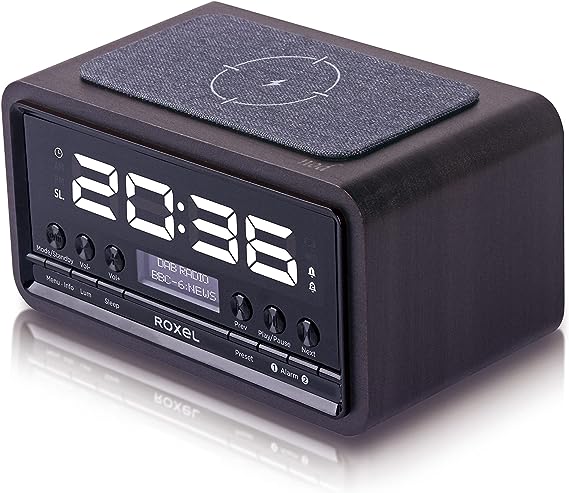
You press a button on your radio.
The radio turns on.
That’s manual work.
Now imagine this instead:
The radio turns on automatically at 7:00 AM.
It wakes you up.
You do nothing.
That’s automation.
Clear. Simple. Effective.
No ambiguity.
Now Let Me Show You “Fake Automation”
Now imagine someone comes along and says:
“I’ve got a system that automates turning your radio on.”
You’re interested.
They explain:
- You wake up
- You press a button next to your bed
- That pulls a lever
- The lever pulls a thread
- The thread runs across pulleys
- That opens a trap door
- A rubber ball drops
- The ball hits the radio button
- The radio turns on
And they say:
“See? Fully automated.”
It Sounds Ridiculous… Because It Is
You still had to press a button.
You still had to initiate the process.
All they’ve done is:
- Add complexity
- Add moving parts
- Add failure points
- Dress it up as something clever
But fundamentally…
Nothing has been automated.
This Is Exactly What’s Happening in Excel
Much of what is presented as “automation” in Excel today—especially on social media—is exactly this:
A system of pulleys and rubber balls.
It looks impressive.
It feels technical.
It’s often beautifully presented.
But at its core:
👉 It still depends on manual initiation
👉 It still interrupts the workflow
👉 It still requires someone to “press the button”
The Illusion vs The Outcome
Let’s be very precise.
❌ Fake Automation
- “Click this button to refresh”
- “Run this process when you need it”
- “Import, transform, and load… manually”
✅ Real Automation
- Runs without intervention
- Happens at the right time
- Produces ready-to-use output
- Enables decision-making immediately
Why This Matters
Because the difference is not technical.
It’s conceptual.
If you misunderstand automation:
- You design systems that look efficient
- But still consume time and attention
- And ultimately limit business value
Worse still:
You start believing that this is the best that can be done.
The Cost of the Illusion
When organizations adopt “fake automation”:
- Mechanical work becomes a full-time job
- Intelligent work is delayed or diluted
- Decision-making suffers
- Opportunities are missed
All while believing:
“We’ve automated this.”
What Real Automation Should Do
Real automation should:
- Remove the need to act
- Run in the background
- Deliver results when needed
- Support the intelligent part of work
Not replace one button with ten hidden mechanisms.
The Punchline
If your “automation” still requires you to press a button…
You haven’t automated anything.
You’ve just built a better-looking pulley system.
Final Thought
The tragedy isn’t that people are doing this.
The tragedy is that they’re being taught that this is automation.
And once that belief takes hold…
They stop looking for what real automation actually looks like.




Add comment