


And the Fork in the Road Nobody Talks About
By Hiran de Silva
There is a story about Excel that almost nobody tells.
Not because it is secret.
Not because it is controversial.
But because the internet quietly selected a different narrative.
If you look at YouTube, LinkedIn, or even corporate training portals, you would think Excel education has always been about:
- formulas
- dashboards
- pivot tables
- Power Query
- productivity tricks
But that is only Generation Three.
To understand what really happened, we need to rewind.
Generation One (1990–2000)
Excel as a Professional System Tool
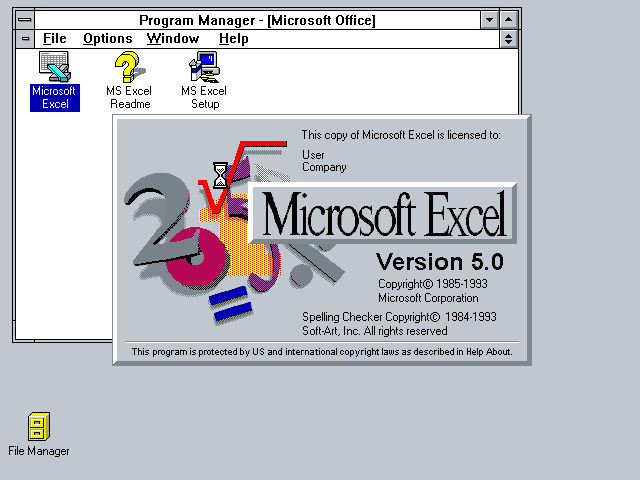

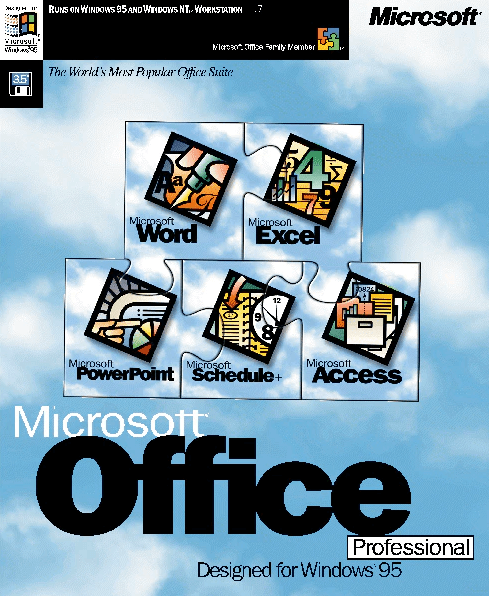

In the 1990s, Excel was not taught as a collection of tricks.
It was taught as part of business systems.
This was the era of:
- Microsoft Excel 5.0 and 97
- Lotus 1-2-3
- ODBC connections
- Early client-server thinking
- Corporate IT collaboration
In December 1993, Microsoft ran a DevCast demonstrating something remarkable:
Excel connecting seamlessly to external databases.
That moment mattered.
It positioned Excel not as “a better calculator,”
but as a front-end to structured data systems.
In that era:
- Accountants built reconciliation engines.
- Analysts connected to SQL back ends.
- Excel front-ends fed shared databases.
- Collaboration meant structured data flows.
It was imperfect.
But it was architectural.
And those who learned that mindset built careers on it.
Generation Two (2000–2015)
Excel as the Power User’s Weapon
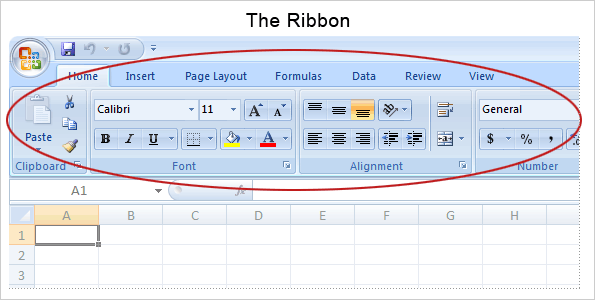
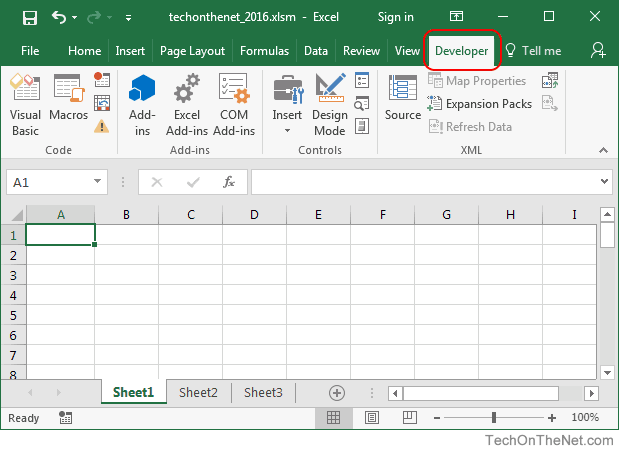


Then something changed.
The Ribbon arrived.
VBA matured.
SQL Server became mainstream.
Excel became incredibly powerful.
This was the golden age of:
- VBA automation
- ADO connections
- Enterprise budgeting systems
- Multi-region consolidations
- Finance-driven process design
It was during this period that I stumbled into what would later define my career.
I discovered that if Excel acted as a client, and a relational database acted as the librarian — the custodian of structured data — something extraordinary happened:
- Consolidation became instant.
- Multi-user conflicts disappeared.
- Audit trails became structured.
- Data separation simplified governance.
- Enterprise workflows emerged without ERP overhead.
I didn’t invent it.
I simply saw the implications of what Microsoft had already shown.
And when I deployed that architecture in real industry environments?
I tripled my pay.
Not because I was clever with formulas.
But because I solved organisational problems others thought required expensive system overhauls.
This generation was invisible online.
But it flourished inside companies.
Generation Three (2015–2026)
Excel as Social Media Performance
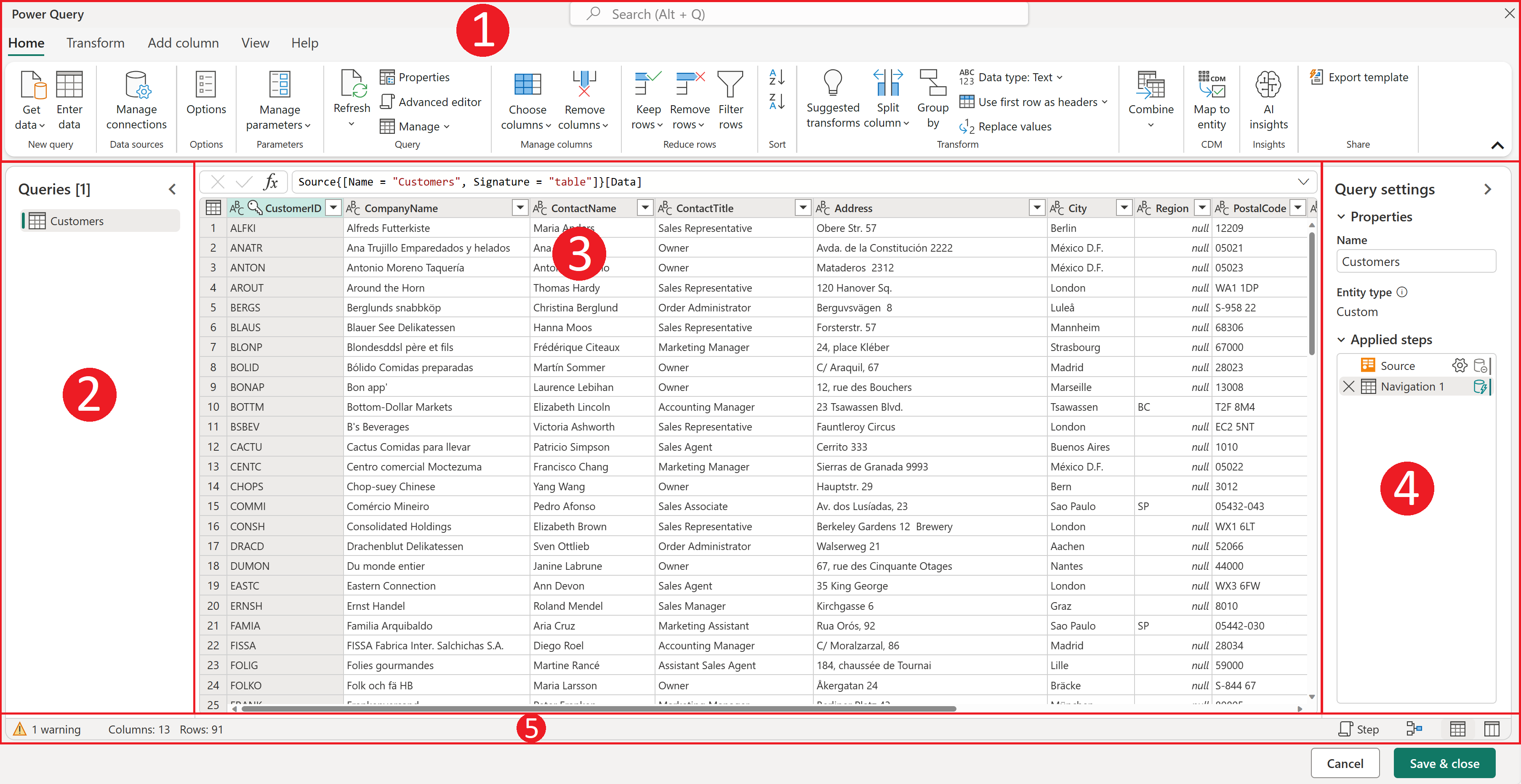


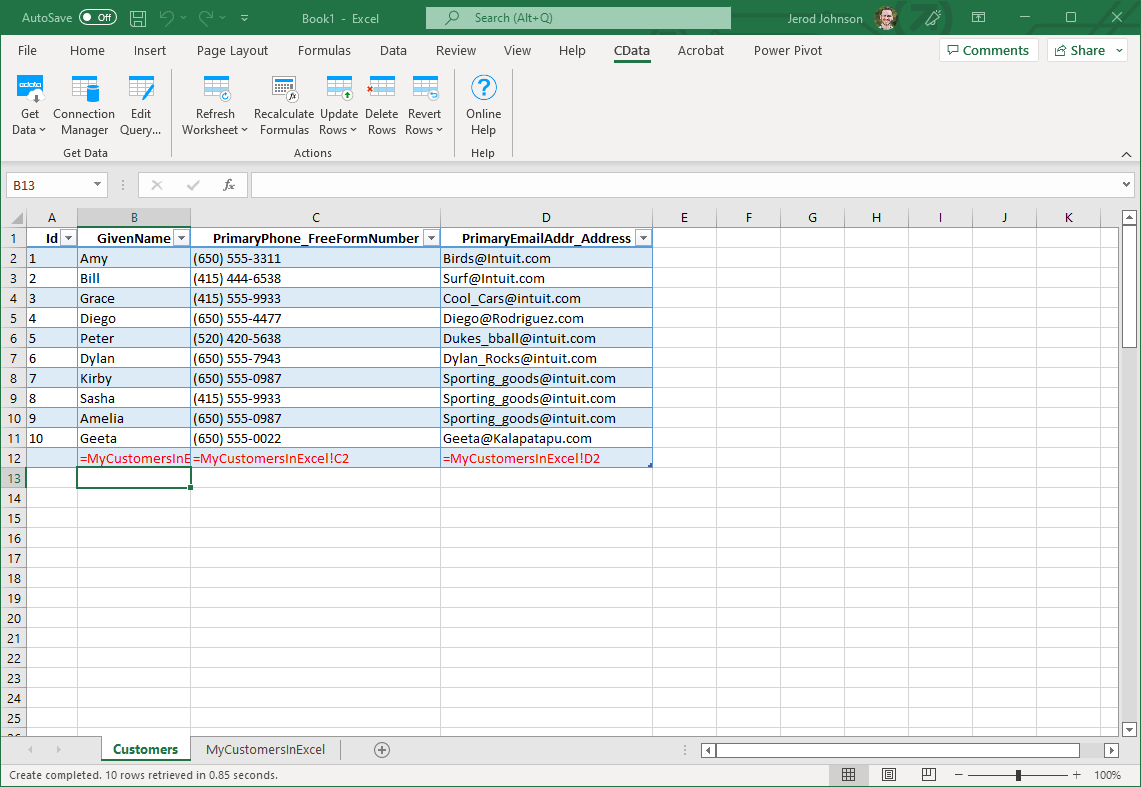
Now we arrive at the present.
The rise of YouTube.
LinkedIn engagement.
Influencer culture.
And a quiet but profound shift:
Excel education optimised for algorithms.
The dominant content became:
- XLOOKUP tutorials
- Power Query automation
- Dashboard design
- 10 tricks you must know
- Avoid these Excel mistakes
These are valuable skills.
But they share one feature:
They operate inside a single workbook.
The architectural conversation disappeared.
Not because it stopped working.
But because:
- Enterprise work is confidential.
- System design does not go viral.
- Architecture requires patience.
- Organisational thinking does not fit a 12-minute tutorial.
YouTube selected for features.
It did not select for systems.
The Fork in the Road
Somewhere between Generation Two and Generation Three, Excel education quietly forked.
One path continued toward:
- relational integration
- client-server thinking
- separation of data and interface
- collaborative architecture
The other path moved toward:
- workbook optimisation
- visual performance
- personal productivity
- algorithm-friendly tutorials
The second path became visible.
The first became invisible.
The Illusion
Today, many professionals genuinely believe:
“Excel is not a database.”
“Excel doesn’t scale.”
“Excel leads to chaos.”
But what they are really describing is:
Generation Three Excel used in isolation.
They have never seen Generation One thinking applied with Generation Two tooling in a modern environment.
So they conclude it does not exist.
Why This Matters
This is not nostalgia.
This is about a lost architectural lineage.
The capabilities demonstrated in 1993 were never removed.
ADO still exists.
Relational databases still exist.
Excel still connects seamlessly to structured back ends.
But education drifted.
And when education drifts, perception follows.
Now the dominant narrative is:
- Excel Hell
- Replace Excel
- Upgrade to SaaS
- Move to planning platforms
Yet in boardrooms across the world, quietly, professionals still deploy Excel front ends connected to structured data stores — delivering outcomes that look indistinguishable from enterprise platforms.
They simply do not post about it.
The Great Inversion
The most visible Excel knowledge today is not the most powerful.
The most powerful Excel knowledge is the least visible.
That inversion is not malicious.
It is structural.
Social media rewards:
- small wins
- visible tricks
- instant gratification
- personal productivity
Enterprise architecture rewards:
- patience
- system design
- collaboration
- organisational leverage
Two different reward systems.
Two different worlds.
Why I Am Writing This Series
Because the story needs documenting.
Not as an attack on influencers.
Not as a complaint about modern Excel.
But as a correction to the historical record.
Excel was never just a smart calculator.
It was always a potential system client.
The industry did not evolve past it.
Education simply stopped teaching the architectural path.
The Coming Chapters
In this series, I will:
- Revisit the 1993 demonstration that signposted the future.
- Show how database integration transforms budgeting and consolidation.
- Explain why enterprise Excel never went viral.
- Demonstrate, step by step, how the “Digital Librarian” model works today.
- Tell the story of how stumbling onto this idea changed my career trajectory — and income.
Because sometimes, revolutions are not new inventions.
They are rediscoveries.
And sometimes the future of Excel
was already shown to us in 1993.
We just looked the other way.



Add comment